
Aquaporin-3 (AQP3) is a membrane protein that functions as a water and glycerol channel, playing critical roles in cellular hydration, skin health, and immune responses. The Human Aquaporin-3 ELISA (Enzyme-Linked Immunosorbent Assay) is a specialized tool designed to detect and quantify AQP3 levels in various human biological samples such as serum, plasma, and tissue homogenates. It has become essential in research fields including dermatology, oncology, and immunology.
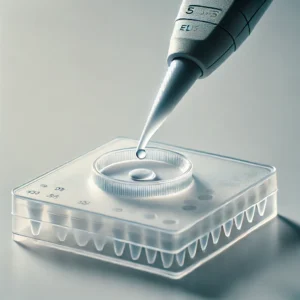
Key Features of Human Aquaporin-3 ELISA
- High Sensitivity and Specificity: The Human Aquaporin-3 ELISA kit is designed to deliver highly specific results, using antibodies that bind exclusively to AQP3. This ensures that the assay accurately detects AQP3 without cross-reactivity with other aquaporins or unrelated proteins. Research on the importance of sensitivity and specificity in ELISAs can be found at NIH.gov and NCBI.
- Quantitative Analysis: This ELISA kit allows for the precise quantification of AQP3 levels in biological samples, making it a powerful tool for measuring changes in expression in response to diseases or treatments. For more details on ELISA quantification methods, visit PubMed.
- Wide Sample Compatibility: The assay is optimized for various sample types, including serum, plasma, and tissue homogenates, making it adaptable for different research contexts. For instance, tissue samples can provide insights into the role of AQP3 in cancer or skin disorders, while serum or plasma samples are commonly used in immunology studies. You can find protocols for handling different sample types at CDC.gov.
- Reproducibility: The Human Aquaporin-3 ELISA is known for its reproducibility, making it suitable for both research and clinical applications. Researchers can rely on consistent data for longitudinal studies or clinical trials, further validating AQP3 as a biomarker. Learn more about reproducibility in ELISAs at FDA.gov.
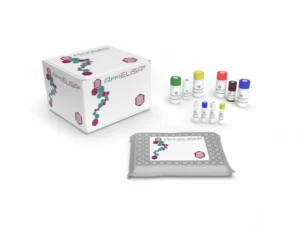
Applications of Human Aquaporin-3 ELISA in Research
- Dermatology: AQP3 is highly expressed in human skin and is essential for skin hydration, elasticity, and barrier function. Dysregulation of AQP3 has been linked to various skin conditions, such as atopic dermatitis and psoriasis. Researchers use the Human AQP3 ELISA to investigate the correlation between AQP3 levels and skin health, particularly in conditions involving impaired skin hydration. You can explore dermatological research involving AQP3 at NCBI.
- Cancer Research: Overexpression of AQP3 has been implicated in cancer progression, particularly in colorectal, gastric, and breast cancers. The Human Aquaporin-3 ELISA is a valuable tool for measuring AQP3 expression in tumor tissues, providing insights into how AQP3 contributes to tumor growth, invasion, and metastasis. For studies linking AQP3 to cancer, check out resources at PubMed.
- Immune Response and Inflammation: AQP3 has been shown to modulate immune cell function and inflammation, making it a target of interest in autoimmune diseases and inflammatory disorders. The ELISA kit helps quantify AQP3 expression in immune cells or inflammatory tissues, advancing the understanding of its role in immune regulation. Visit NIH.gov for more on AQP3’s involvement in immune function.
- Renal Physiology: AQP3 is also expressed in the kidney, where it plays a role in water and glycerol reabsorption. Measuring AQP3 levels using the ELISA assay provides insight into renal function, fluid balance, and disorders like chronic kidney disease or polycystic kidney disease. Renal research involving aquaporins can be accessed via PubMed.

Human Aquaporin-3 ELISA Protocol
- Sample Collection: Prepare human serum, plasma, or tissue homogenates following standard procedures. Ensure samples are free from hemolysis and other contaminants that could affect assay results.
- Reagent Preparation: Reconstitute all assay reagents and prepare standards according to the kit’s instructions. Dilute samples if necessary to ensure they fall within the assay’s dynamic range.
- Assay Procedure: Add the prepared samples and standards to the ELISA plate. Incubate with the anti-AQP3 antibody, followed by the enzyme-conjugated secondary antibody. Wash the plate between each step to remove unbound material.
- Detection: Add the substrate solution to initiate the colorimetric reaction. Measure the optical density (OD) using a microplate reader at the recommended wavelength. Quantify AQP3 concentrations by comparing the OD values of samples to those of the standards.
- Analysis: Calculate AQP3 concentrations in the samples using a standard curve generated from known concentrations of AQP3. The analysis is typically performed using software that automates standard curve generation and data interpretation.
For detailed ELISA protocols and troubleshooting, consult FDA.gov or visit NCBI for additional guidelines.
Conclusion
The Human Aquaporin-3 ELISA is an essential tool for detecting and quantifying AQP3 levels in various biological samples. It has broad applications in fields such as dermatology, oncology, renal physiology, and immunology. With its high sensitivity, specificity, and reproducibility, this assay offers reliable and quantitative data that contribute to the understanding of AQP3’s role in health and disease.